 Business License

ALL ARTICLES

-
Why do disposable diapers need to be tested with professional testing instruments?
August 23, 2025I. Limitations of subjective assessment1.1 Uncontrollable factors in manual testingTraditional manual testing methods have many limitations:Inconsistent testing conditions: The temperature, volume, and pouring speed of the liquid are difficult to standardize in each test.Subjective result judgment: Different personnel have different judgment criteria.Difficult to quantify data: It is impossible to provide precise numerical evRead More -
Domestic vs. Imported Electronic Tensile Testing Machines: Performance Comparison and Cost-Effective
August 22, 20251. Brand Comparison: Technological Heritage and Market LandscapeImported Brands: Examples include Instron, MTS, and Zwick/Roell, which have long dominated the high-end market with a rich history and deep technological heritage. Their products are known for high precision and stability, particularly excelling in fields such as aerospace and cutting-edge scientific research. However, prices are generally high, often two times oRead More -
From Beginner to Expert: Daily Calibration and Error Compensation Techniques for Electronic Universa
August 21, 2025I. Why is Calibration So Important? The Chain Reaction of Errors:A 0.5% force value error can lead to a >20% deviation in fatigue life prediction (ASTM E739 data).Case Study: A spring factory failed to calibrate promptly, resulting in a batch of products exceeding stiffness standards and incurring losses of ¥800,000.Mandatory Standards:ISO 7500-1 stipulates: Class 1 equipment requiresRead More -
Electronic Tensile Tester Selection Guide: 5 Easily Overlooked Key Parameters
August 20, 2025I. Range Selection: Bigger Isn't Always BetterGolden Ratio Principle:Routine test forces should fall within 10%-90% of the range (ASTM E4 requirement)Case: A testing lab purchased a 100kN machine for 5N wire tests, resulting in ±8% error (3x over-limit)Multi-Range Solutions:Test TypeRecommended RangeAccuracy RangeTextile fibers0.5-500N±0.5%Automotive wires1-10kN±0.8%Metal materials10-300kN±1.0%Smart Sensor Tech:Zwick RoelRead More -
New Energy Vehicle Wire Harness Testing: Precise Force Control with Electronic Tensile Testers in Hi
August 19, 2025I. Why High-Temperature Testing is Critical for NEV Wire Harnesses?Demanding Operational Conditions:Motor compartment temperatures can exceed 150°C Fast-charging currents cause wire temperature rise ΔT≥80°C (SAE J1128 requirement)Failure Risks:Failure ModeConsequenceIndustry CaseInsulation softeningShort-circuit ignition2023 recall due to wire harness meltingConductor creepContact resistance +30%5% charging efficiency loRead More -
How Electronic Tensile Testers Optimize Fabric Tear Strength Testing?
August 16, 2025I. Why is Tear Strength Testing So Critical?1. Leading Cause of Product Failure:Seam tearing accounts for 35% of quality complaints (China National Textile Council 2023)Military tent fabrics require ≥50N trapezoid tear strength (GJB 2353-2018)2.Testing Method Comparison:MethodApplicable FabricsTesting CharacteristicsInternational StandardTongue TearWovens/NonwovensSimulates sudden tearingASTM D2261Trapezoid TearHeavy-duty texRead More -
Breaking Traditions! How Universal Testing Machines Achieve 360° 3D Mechanical Testing
August 14, 2025I. Why 3D Mechanical Testing?Limitations of traditional uniaxial testingFails to simulate real-world stresses: Materials often experience multi-directional forces (e.g., tension+shear+torsion in automotive crashes)Inadequate for composites: Carbon fiber fabrics show up to 40% strength variation under angled loads (ISO 15797 data)Evolving standards: EN 14704-1:2023 now includes multi-axis testing requirementsIndustry pain poinRead More -
Five Fixture Configuration Solutions for Multi-Angle Tensile Testing: Comprehensive Coverage from Fa
August 12, 2025Tensile testing is a crucial method for evaluating material properties, and the choice of fixtures directly impacts the accuracy of test results. This article introduces five key fixture configuration solutions for multi-angle tensile testing using electronic tensile testers, with a special focus on the clamping challenges of fabrics and irregular specimens.I. Standard Pneumatic Fixture Configuration (Recommended by ISO 13934Read More -
Recycling Testing of Nonwoven Fabrics: How to Assess the Purity and Performance of Recyclable Materi
August 11, 2025I. Industry Challenges in Nonwoven Recycling1.Material Contamination IssuesCommercial nonwovens often contain 3-5 polymer types (PP/PE/PET, etc.), with traditional sorting error rates reaching 30%.Case Study: In 2023, a recycling company scrapped an entire batch of products due to PET contamination in PP recycled materials, causing a melting temperature mismatch (260°C vs. 160°C).2.Performance Degradation RisksEach recyclingRead More -
Are Antibacterial Nonwoven Fabrics Really Safe? The Truth About Microbial Testing and Toxicity Asses
August 8, 2025I. The Double-Edged Sword of Antibacterial Nonwovens1. Antibacterial Advantages:99% inhibition rate against common pathogens like S. aureus and E. coli (ISO 20743 standard)60% reduction in wound infection rates for medical dressings (Chinese Journal of Nosocomiology 2023 data)2. Potential Risks:Skin irritation: Quaternary ammonium compounds may cause contact dermatitis (EU ECHA lists ADBAC as SVHC)Microbial imbalance: OveruseRead More -
How to Identify High-Quality Nonwoven Fabric? 5 Must-Check Indicators for Consumers
August 7, 20251. Grammage (GSM): Fundamental Yet CriticalDefinition: Weight per square meter of nonwoven fabric (unit: g/m²), directly affecting thickness and durability.How to Judge:Medical protective clothing: 30-50g/m² (too thin = fragile, too thick = stuffy);Shopping bags: 80-120g/m² (should withstand over 5kg)Red Flag: Suppliers may falsify GSM - verify by weighing a 10cm×10cm sample (>±5% error = substandard).2. Hand Feel & FiberRead More -
Barrier Performance Testing of Nonwoven Medical Protective Clothing: Comprehensive Protection from B
August 6, 2025I. Why Multi-Layer Barrier Testing is Essential for Medical Protective ClothingIn scenarios such as surgeries and infectious disease control, protective clothing must simultaneously address three types of threats:1.Liquid penetration risks: Blood and bodily fluids (tested via ASTM F1671 for synthetic blood penetration)2. Microbial penetration risks: Viruses and bacteria (validated by ISO 16604 for viral barrier performance)3.Read More -
Fiber Orientation Testing in Nonwoven Fabrics: How Does It Affect Material Anisotropy?
August 4, 2025I. Why is Fiber Orientation Important?The alignment of fibers in nonwoven fabrics directly influences their anisotropy (directional property variations), which determines:1. Mechanical properties: Longitudinal tensile strength can be 50% higher than transverse strength (typical data for spunbond processes)2. Liquid penetration paths: When fibers are aligned parallel, liquid diffusion speeds increase by 2-3 times3. FiltrationRead More -
Comprehensive Analysis of Liquid Penetration Testing for Nonwoven Fabrics: From Contact Angle to Dyn
August 2, 2025I. Analysis of Core Testing Indicators1. Contact Angle Testing (Static Water Repellency)Standard: ISO 19403 sessile drop method, medical grade requires θ > 130°Technological Breakthrough: High-speed cameras capture droplet dynamics at 0.1ms; nano-coated materials achieve θ > 150° (lotus effect)Challenge: Anisotropy causes up to 15° difference between longitudinal/transverse tests2. Dynamic Penetration Testing (Practical ProteRead More -
Electrostatic Decay Testing of Nonwoven Fabrics: Why Must Medical Protective Materials Comply with E
August 1, 2025I. Why is Electrostatic Control Necessary for Medical Protection?In high-risk environments such as operating rooms and ICUs, static electricity can pose three major hazards:1. Explosion risk: Anesthetic gases (e.g., isoflurane) can ignite with static sparks (minimum ignition energy as low as 0.2mJ)2. Equipment interference: Electrostatic discharge (ESD) may cause false alarms in ECG monitors (interference possible at voltagesRead More -
Pore Size Distribution Testing of Nonwoven Fabrics: From Traditional Sieving to AI Image Analysis
July 31, 2025I. Why is Pore Size Distribution So Important?The pore size and distribution of nonwoven fabrics directly affect:Air permeability: Medical protective clothing requires a balance between barrier properties and comfort (optimal pore size: 20-50μm)Filtration efficiency: The interception rate of melt-blown fabric for PM2.5 is positively correlated with 1-5μm poresLiquid penetration: When the surface pore size of hygiene productsRead More -
Future Testing: When Nonwovens Meet Nanomaterials and Smart Sensors
July 30, 20251. Nanofiber ChallengesUniformity Testing: SEM-EDS reveals silver nanoparticle distribution (clustering must be ≤5μm/㎡). A case showed 300% local concentration(exceeding limits) causing allergies.Diameter Measurement: Laser diffraction (ISO 1973:2023) enables batch testing for 100-500nm fibers, overcoming optical microscopy's 1μm limit.2. Smart Nonwoven ConductivityStretchable Electronics: Must maintain ≤15% resistance chRead More -
he Invisible Battle: Microbial Testing of Nonwoven Hygiene Products
July 29, 2025I. The Invisible Battlefield: Why Microbial Testing is CrucialNonwoven hygiene products (such as wipes, sanitary pads, and medical dressings) come into direct contact with human skin or mucous membranes. Excessive microbial contamination can lead to:Infection Risks: Bacteria (e.g., Staphylococcus aureus) and fungi (e.g., Candida albicans) causing skin inflammation.Product Deterioration: Microbial growth accelerates fiber degrRead More -
Global Trade Barriers: Divergence in Nonwoven Fabric Testing Standards
July 28, 20251. Regulatory Frameworks: A Tale of Three SystemsThe global nonwoven fabric trade faces increasing complexity due to divergent regulatory regimes:EU's REACH Regulation: Restricts over 200 substances (e.g., PFAS, phthalates) with mandatory SVHC (Substances of Very High Concern) disclosure. Nonwovens for construction must comply with CPR 305/2011 fire safety standards.US FDA Oversight: Medical-grade nonwovens require 510(k)Read More -
Mechanical Performance Testing: The Foundation of Strength and Durability
July 26, 20251. Mechanical Performance Testing: The Foundation of Strength and DurabilityThe mechanical properties of nonwoven fabric determine its resistance to tension and tearing in practical applications. Common testing items include:Tensile Strength and Elongation at Break (ASTM D5034): A tensile testing machine simulates stress conditions to evaluate load-bearing capacity in both longitudinal and transverse directions. For example,Read More -
YS383 Diaper Side-Leakage Tester: How Lab Data Ends "Leakage Crises"?
July 25, 2025I. Pain Point: 90% Leakage Issues Stem from "Invalid Simulation"Common pitfalls in diaper lab testing:❌ Static test trap: Traditional vertical pressure only (e.g., GB/T 28004.1), ignoring dynamic penetration from baby rolling/sitting.❌ Single-liquid limitation: Pure water tests fail to simulate real urine composition (salts/urea affect wicking speed).Consequence: One brand faced 23% return rate dRead More -
3-Step Identification of "Fake Flushable Wipes" YS-381 Test Standard Authority Guide
July 24, 2025I. Industry Chaos: 90% of "Flushable Wipes" Are Misleading?Recent explosive growth in wet toilet paper markets has exposed widespread "pseudo-flushable" traps:❌ Fake Degradability: Labeled "flushable" but contains clogging synthetic fibers;❌ Fake Testing: Substituting standard tests with (simple stirring), causing severe data distortion;❌ Fake Certification: Counterfeiting international flusRead More -
Technical Guide for Hairiness Tester Procurement: The Fundamental Divide Between Optical vs. Capacit
July 22, 2025In yarn hairiness detection, the core principle differences between optical and capacitive methods dictate their application boundaries. Optical systems quantify surface hairiness via light scattering/projection imaging:Laser Scattering Method: Emits parallel laser beams onto yarn, captures scattered light signals via photodiode arrays, and calculates hairiness density (H-value) with ±0Read More -
Tensile Strength ±0.5%? 5 Parameter Traps You Must Know When Purchasing an Electronic Tensile Tester
July 21, 2025When a car parts manufacturer in Xi 'an faced customer claims due to defective seat belt test data, they discovered the culprit was temperature drift in the electronic strength tester's sensor. The device, rated with ±0.5% accuracy, showed an actual measurement error of 8% under workshop temperature fluctuations. This isn't an isolated case: 90% of buyers are blinded by flashy specifications on product catalogs whRead More -
How to distinguish yarn quality and select fiber testing instruments
July 19, 2025The quality of yarn and fibers directly impacts the performance and durability of textiles. Therefore, accurate quality assessment and proper selection of testing instruments are crucial. This article will detail key quality indicators for yarns, evaluation methods, and provide a practical guide to selecting fiber testing equipment, helping businesses and laboratories make informed decisions.I. Key Quality Assessment IndicatoRead More -
The necessity of testing fabric strength
July 18, 2025Fabric strength testing serves as the cornerstone for ensuring product quality and safety, directly impacting both service life and performance. Whether in apparel, home textiles, or industrial applications, fabrics are subjected to various external forces during use—such as stretching, tearing, and friction. This rigorous testing quantifies how fabrics respond to these stresses, providing essential scientific data for designRead More -
"Exceeding Formaldehyde Levels Equals Brand Suicide! The Five Critical Thresholds in Fabric Chemical
July 17, 2025Thresholds in Fabric Chemical Control"Introduction: A Real Case That Triggered an Industry EarthquakeIn 2023, a well-known fast-fashion brand encountered a situation where the formaldehyde content of a batch of children's T-shirts was 2.5 times higher than the permissible limit (187 mg/kg, whereas the national standard limit is ≤75 mg/kg). As a result, thousands of children experienced skin allergies. FollowingRead More -
"Breathability ≠ Permeability! Authoritative Evaluation Methodology for Fluid Permeability of Nonwov
July 16, 2025The opening: Lessons in blood and tears reveal the cognitive gap.When a medical melt-blown fabric manufacturer faced a mass recall of surgical gowns due to excessive reliance on breathability data, revealing a harsh reality: gas permeability (breathability) and liquid barrier resistance (permeation) operate on entirely different principles. The mask stuffiness, diaper back-leakage, and filter oil leakage——90% failures all steRead More -
How can you ensure that the colors of the fabrics you dye won't fade due to external factors?
July 15, 2025Select high-quality dyes.The colorfastness of fabrics is closely tied to dye quality. While natural dyes (like plant-based ones) are eco-friendly, they generally lack the lightfastness and wash durability of synthetic dyes. For lasting colors, choose fabric-specific high-fidelity synthetic dyes such as reactive, acid, or direct dyes, ensuring compatibility with fabric materials.2. Perform the fixation treatment.Different dyesRead More -
YG141D Digital Fabric Thickness Tester
July 14, 2025【Scope of Application】:Used for thickness determination of various woven fabrics, knitted fabrics, and non-woven fabrics. Basic ap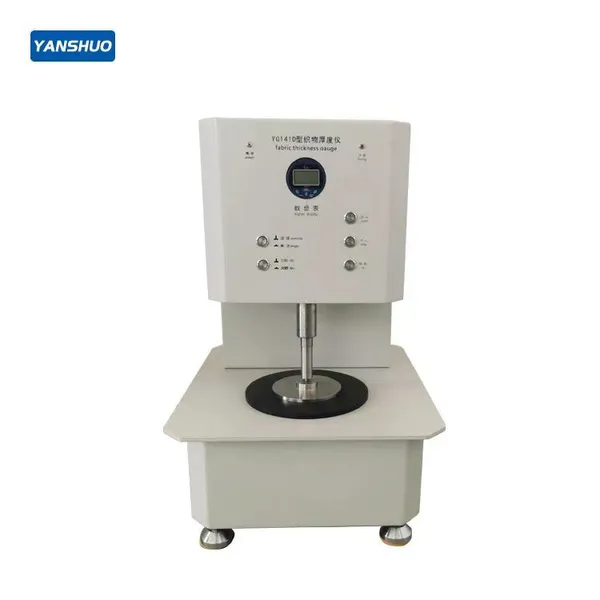 Read More
 -
A Practical Guide to Choosing an Electronic Tensile Tester as a Crucial Tool in Textile Quality Cont
July 14, 20251. Fixtures determine the fate of a project.The success or failure of fabric testing hinges primarily on the fixtures. For flat fabric tensile testing, a rectangular pneumatic fixture with anti-slip serrations and cushioning pads is necessary to effectively prevent thin fabrics from tearing. For narrow-width woven tapes, a V-shaped groove anti-slip fixture should be used to prevent the tapes from slipping during testing. ElasRead More -
YG026Electronic Fabric Strength Tester
July 11, 2025【Scope of Application】:This instrument is used for the mechanical property testing of various textiles, including tensile strength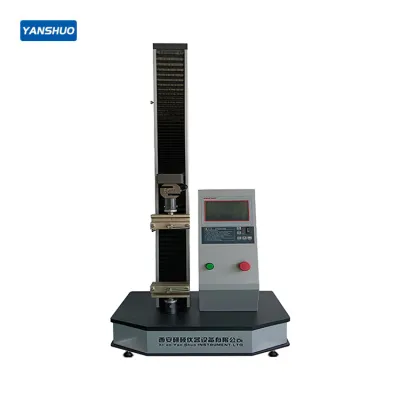 Read More
 -
YG033E Digital Fabric Tearing Tester
July 10, 2025【Scope of Application】:Uses the impact pendulum method to measure the tear strength of fabrics. It can also be used to measure the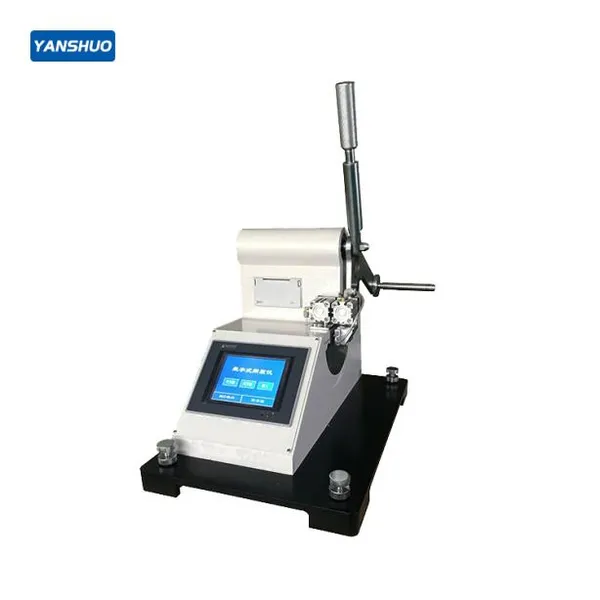 Read More
 -
Y571D JIS Crockmeter
July 9, 2025【Scope of Application】:This tester conforms to the Japanese Industrial Standard JIS L 0849 for Crockmeter Type II (Gakushin type).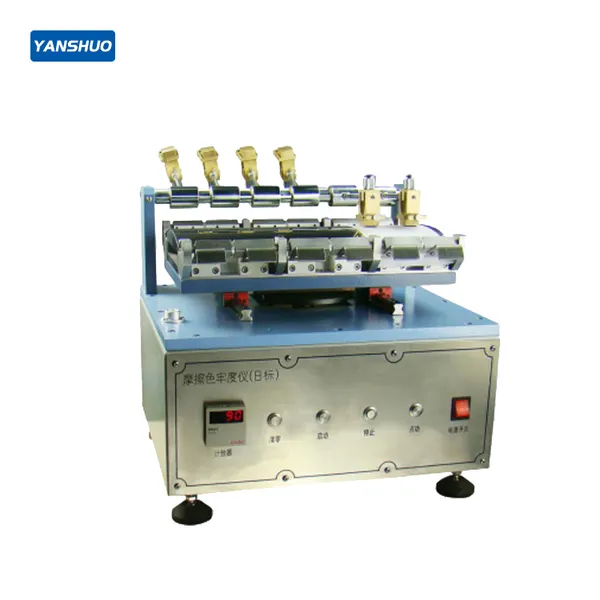 Read More
 -
YS-461K-V Computerized Air Permeability Tester for Paper and Board
July 7, 2025【Product Overview】 Designed for testing the air permeability of diaphragms and various membrane materials, including battery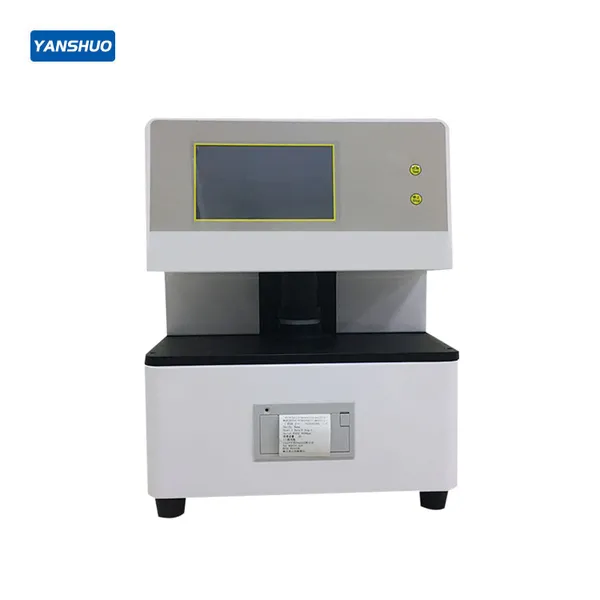 Read More

WHY CHOOSE
OUR PRODUCTS?
Company Overview
Business License
-
Manufacturer Business Type
-
2014 Year Established
-
Fabric Strength Tester, Friction Colour Fastness Tester Main Products
-
1-10 People Sales Staff
-
ISO9001 Product Certifications
-
Below US$1 Million Annual Export Value
-
South America, Southeast Asia, Africa, Mid East, Central America, Domestic Market Main Markets
-
Test Machine Main Industry

Contact Us
Recommended Products
-
 YS080B Geomembrane Hydrostatic Pressure Tester (Hydraulic)US$ 6500.00 - 13000.00MOQ: 1 Unit
 -
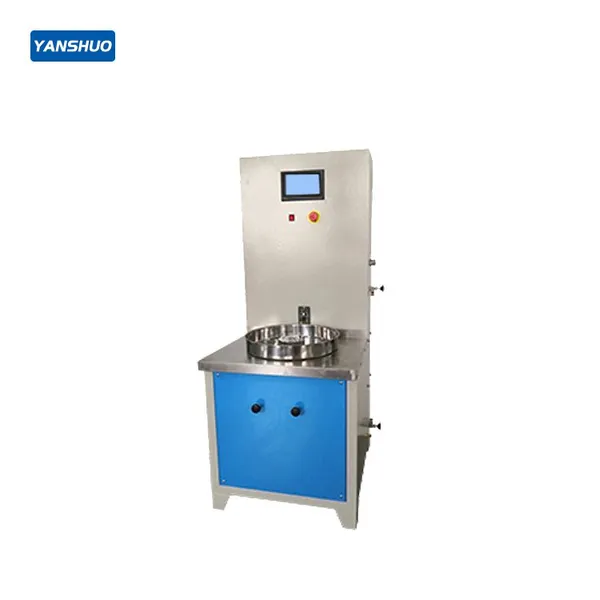
YS020C Geotextile Vertical Permeability TesterNegotiableMOQ: 1 Unit
-
YS-300TC Coating Finishing Sample MachineNegotiableMOQ: 1 Unit
-
YG021Electronic Strength Tester for Synthetic FilamentUS$ 5400.00 - 10800.00MOQ: 1 Unit
-
Y172 Fiber Microtome (Hertel Type)US$ 180.00 - 400.00MOQ: 1 Unit
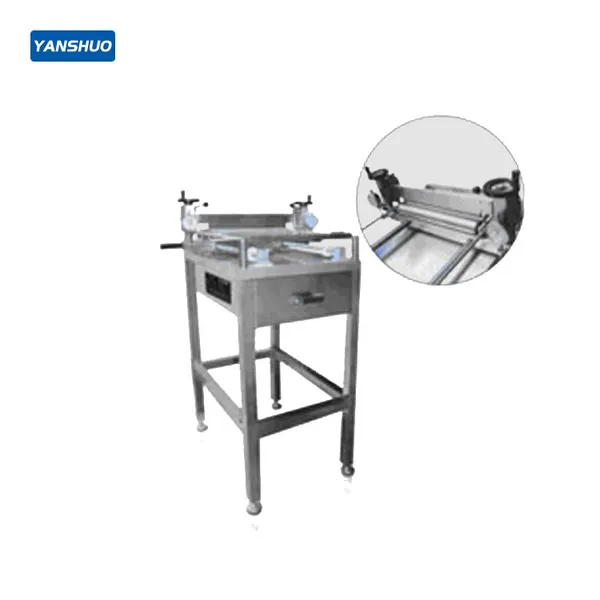
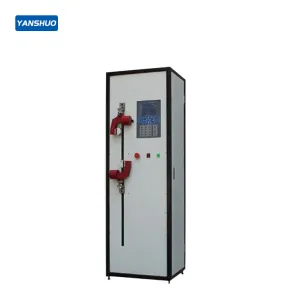
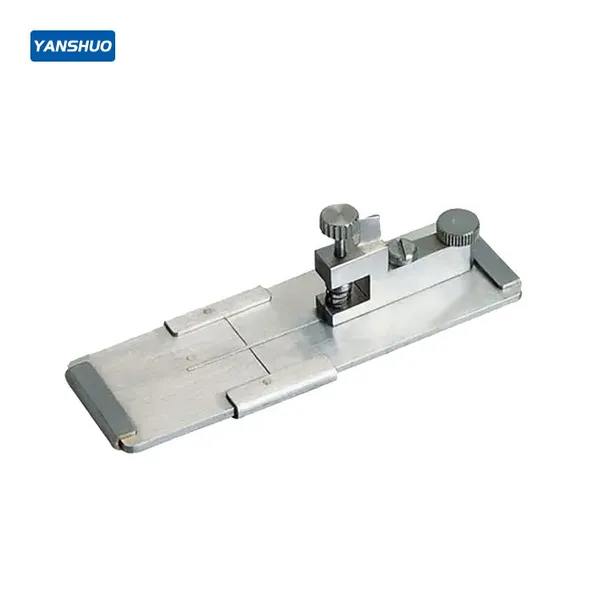
-
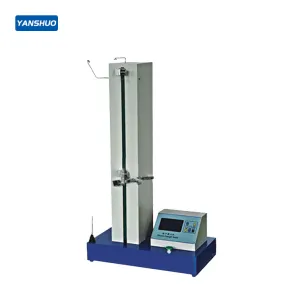
YG020 Electronic Single Yarn Strength TesterUS$ 450.00 - 900.00MOQ: 1 Unit
-
YG171 Yarn Hairiness TesterUS$ 13000.00 - 36000.00MOQ: 1 Unit
-
YS-609A Yarn Abrasion Resistance TesterUS$ 12000.00 - 24000.00MOQ: 1 Unit
-
YG871Water Absorption Tester (Klemm Test Instrument)US$ 800.00 - 1600.00MOQ: 1 Unit
-
YG982D Fabric Pilling Rating BoxUS$ 3300.00 - 6600.00MOQ: 1 Unit
-
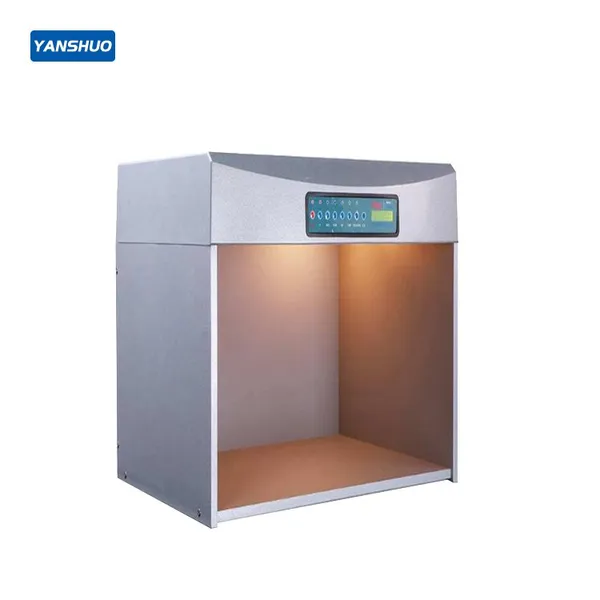
YG982C Standard Light Source Light Box (Six Sources)US$ 800.00 - 1600.00MOQ: 1 Unit
-
YG982B Standard Light Source Light Box (Five Sources)US$ 500.00 - 1000.00MOQ: 1 Unit
-
YS-503 Comprehensive UV Pre-Treatment Chamber (for Safety Helmets & Safety Nets)US$ 5200.00 - 10400.00MOQ: 1 Unit
-
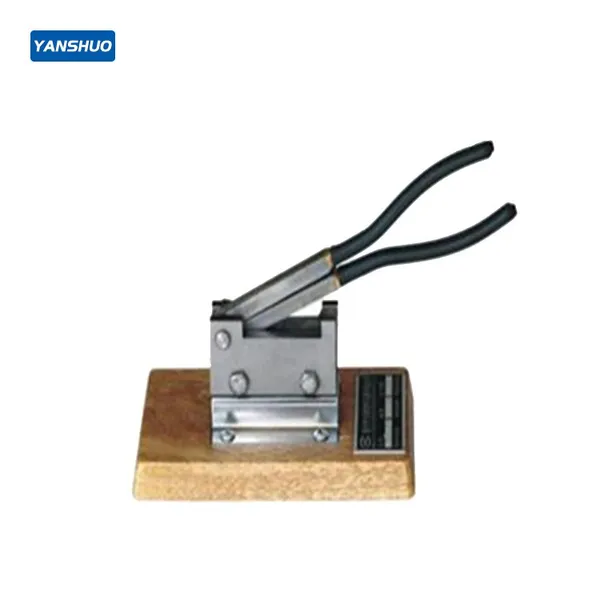
Y171 Fiber CutterUS$ 190.00 - 360.00MOQ: 1 Unit
-
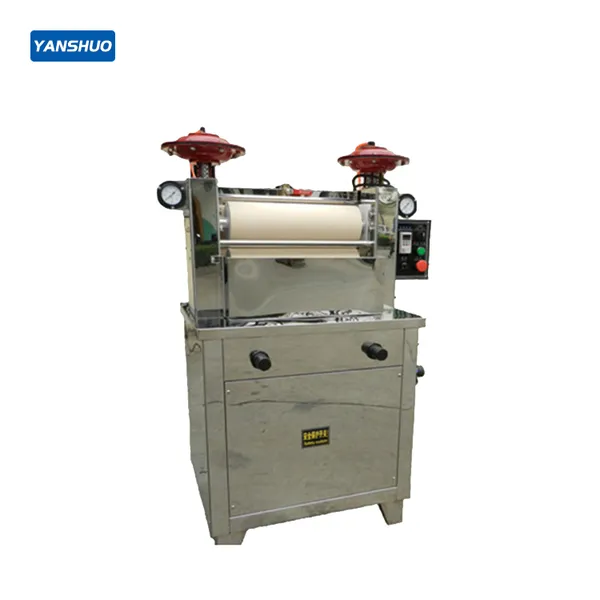
YS-AO/BO Vertical and Horizontal Pneumatic Electric Small Rolling MillUS$ 2100.00 - 4200.00MOQ: 1 Unit
-
YS-20-E Intelligent Pore Size TesterNegotiableMOQ: 1 Unit
-
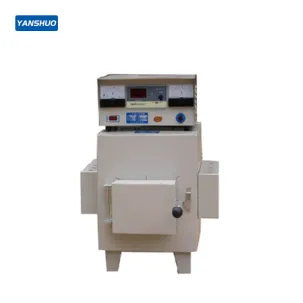
YS-000 Muffle FurnaceUS$ 680.00 - 1360.00MOQ: 1 Unit
-
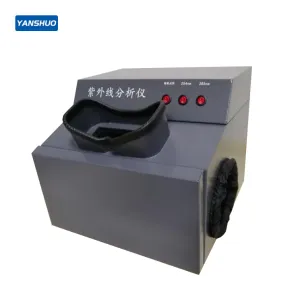
YS-212A Dark Box Ultraviolet AnalyzerUS$ 280.00 - 560.00MOQ: 1 Unit
-
YG201E Textile Formaldehyde Content TesterUS$ 2200.00 - 4400.00MOQ: 1 Unit
-
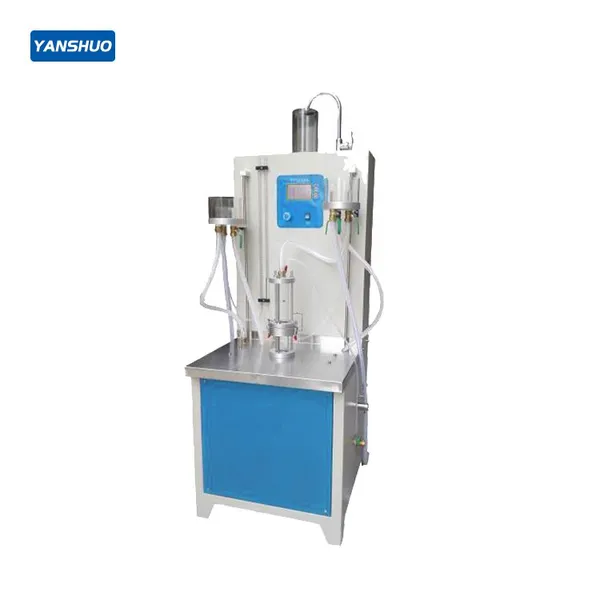
YS020S Geotextile Vertical Water Permeability TesterNegotiableMOQ: 1 Unit