 Business License

New Energy Vehicle Wire Harness Testing: Precise Force Control with Electronic Tensile Testers in Hi
I. Why High-Temperature Testing is Critical for NEV Wire Harnesses?
Demanding Operational Conditions:
Motor compartment temperatures can exceed 150°C
Fast-charging currents cause wire temperature rise ΔT≥80°C (SAE J1128 requirement)
Failure Risks:
Failure Mode | Consequence | Industry Case |
Insulation softening | Short-circuit ignition | 2023 recall due to wire harness melting |
Conductor creep | Contact resistance +30% | 5% charging efficiency loss |
Terminal coating | Signal transmission failure | Autonomous driving system errors |
II. High-Temperature Testing System for Electronic Tensile Testers
Core Modules:High-temperature chamber: Range -40°C~200°C (with observation window)
Heating rate: 10°C/min (compliant with ISO 16750-4)
Specialized Fixture System:Ceramic-coated grips
Anti-oxidation design (inert gas protection)
Data Acquisition:High-temperature strain gauges (≤250°C);Synchronized IR thermometry (±1°C accuracy)
III. Key Test Items & Standards
Test Type | Standard | Condition | Pass Threshold |
High-temp tensile | SAE J1128 | 150°C to fracture | Tensile strength retention ≥80% |
Thermal cycling | GMW 3191 | -40°C↔125°C, 100 cycles | Resistance change ≤5% |
Terminal retention | USCAR-21 | 175°C static hold, 1000h | Displacement <0.2mm |
Dynamic bend fatigue | ISO 19642 | 85°C + 5Hz, 5000 cycles | Insulation resistance ≥100MΩ |
Testing Tips:Pre-age wire samples ;Use non-contact laser extensometers to avoid
IV. Industry Pain Points & Solutions
Data Drift:Root cause: Thermocouple cold-junction compensation
Solution: Dual PT100 sensor (error <±0.5%)
Fixture Slippage:Upgrade: 3D-printed conformal serrated grips (+70% contact area)
Low Throughput:Automation: Robotic sample loading (60 tests/hour)
V. Cutting-Edge Applications
AI Prediction Models:Input: Material params + temp profiles → Output: Remaining life (92% accuracy)
Digital Twin Testing:ANSYS Twin Builder real-time simulation vs.
Blockchain Certification:Test data on-chain (ISO/IEC 17025 traceability)
Recently Posted
-
Why do disposable diapers need to be tested with professional testing instruments?
August 23, 2025I. Limitations of subjective assessment1.1 Uncontrollable factors in manual testingTraditional manual testing methods have many limitations:Inconsistent testing conditions: The temperature, volume, and pouring speed of the liquid are difficult to standardize in each test.Subjective result judgment: Different personnel have different judgment criteria.Difficult to quantify data: It is impossible to provide precise numerical evRead More -
Domestic vs. Imported Electronic Tensile Testing Machines: Performance Comparison and Cost-Effective
August 22, 20251. Brand Comparison: Technological Heritage and Market LandscapeImported Brands: Examples include Instron, MTS, and Zwick/Roell, which have long dominated the high-end market with a rich history and deep technological heritage. Their products are known for high precision and stability, particularly excelling in fields such as aerospace and cutting-edge scientific research. However, prices are generally high, often two times oRead More -
From Beginner to Expert: Daily Calibration and Error Compensation Techniques for Electronic Universa
August 21, 2025I. Why is Calibration So Important? The Chain Reaction of Errors:A 0.5% force value error can lead to a >20% deviation in fatigue life prediction (ASTM E739 data).Case Study: A spring factory failed to calibrate promptly, resulting in a batch of products exceeding stiffness standards and incurring losses of ¥800,000.Mandatory Standards:ISO 7500-1 stipulates: Class 1 equipment requiresRead More -
Electronic Tensile Tester Selection Guide: 5 Easily Overlooked Key Parameters
August 20, 2025I. Range Selection: Bigger Isn't Always BetterGolden Ratio Principle:Routine test forces should fall within 10%-90% of the range (ASTM E4 requirement)Case: A testing lab purchased a 100kN machine for 5N wire tests, resulting in ±8% error (3x over-limit)Multi-Range Solutions:Test TypeRecommended RangeAccuracy RangeTextile fibers0.5-500N±0.5%Automotive wires1-10kN±0.8%Metal materials10-300kN±1.0%Smart Sensor Tech:Zwick RoelRead More

Contact Us
Recommended Products
-
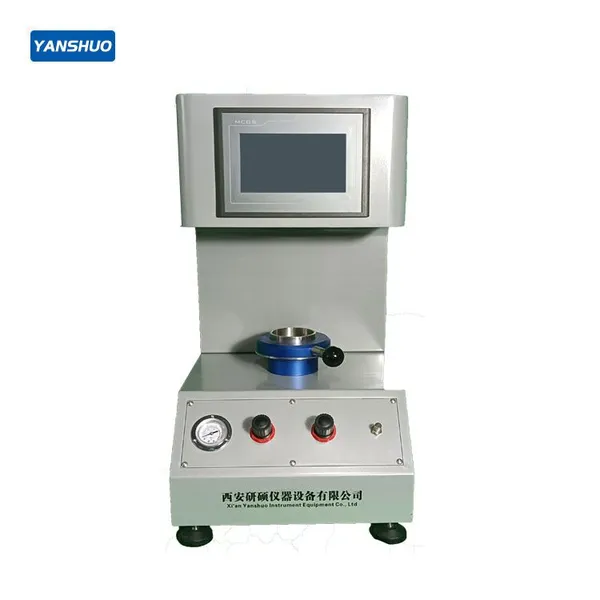
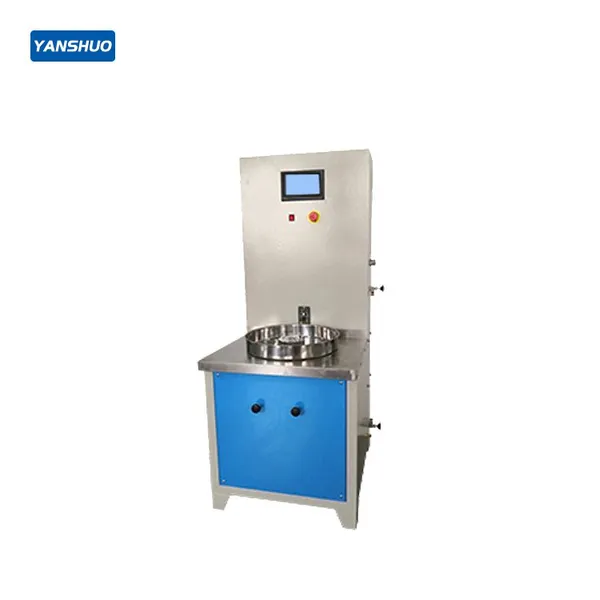
 YS080B Geomembrane Hydrostatic Pressure Tester (Hydraulic)US$ 6500.00 - 13000.00MOQ: 1 Unit
 -
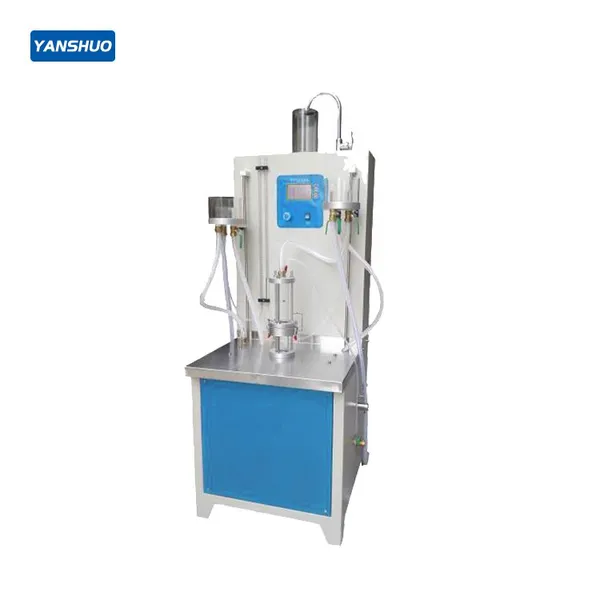
YS020C Geotextile Vertical Permeability TesterNegotiableMOQ: 1 Unit
-
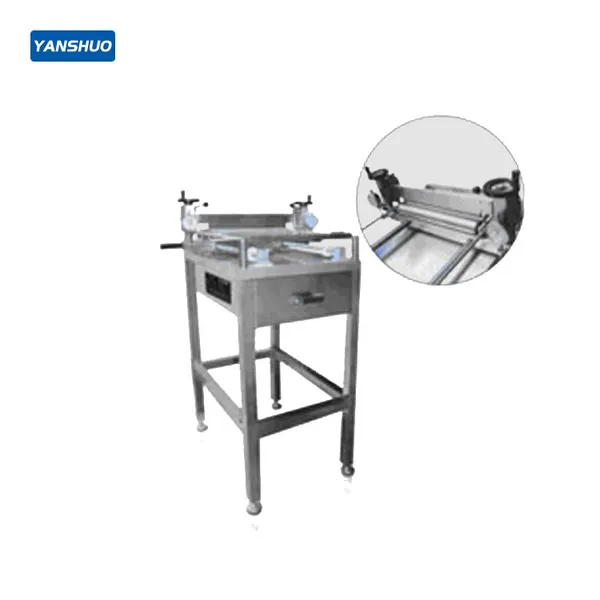
YS-300TC Coating Finishing Sample MachineNegotiableMOQ: 1 Unit
-
YG021Electronic Strength Tester for Synthetic FilamentUS$ 5400.00 - 10800.00MOQ: 1 Unit
-
Y172 Fiber Microtome (Hertel Type)US$ 180.00 - 400.00MOQ: 1 Unit
-
YG020 Electronic Single Yarn Strength TesterUS$ 450.00 - 900.00MOQ: 1 Unit
-
YG171 Yarn Hairiness TesterUS$ 13000.00 - 36000.00MOQ: 1 Unit
-
YS-609A Yarn Abrasion Resistance TesterUS$ 12000.00 - 24000.00MOQ: 1 Unit
-
YG871Water Absorption Tester (Klemm Test Instrument)US$ 800.00 - 1600.00MOQ: 1 Unit
-
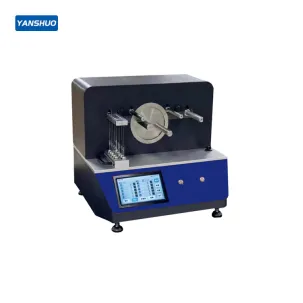
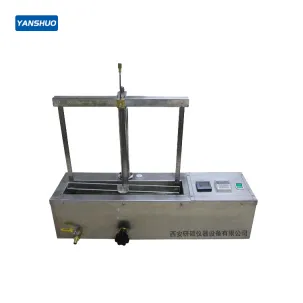
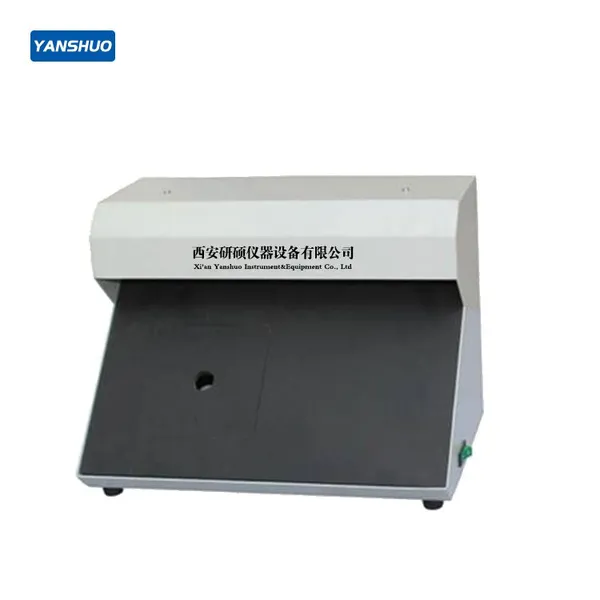
YG982D Fabric Pilling Rating BoxUS$ 3300.00 - 6600.00MOQ: 1 Unit
-
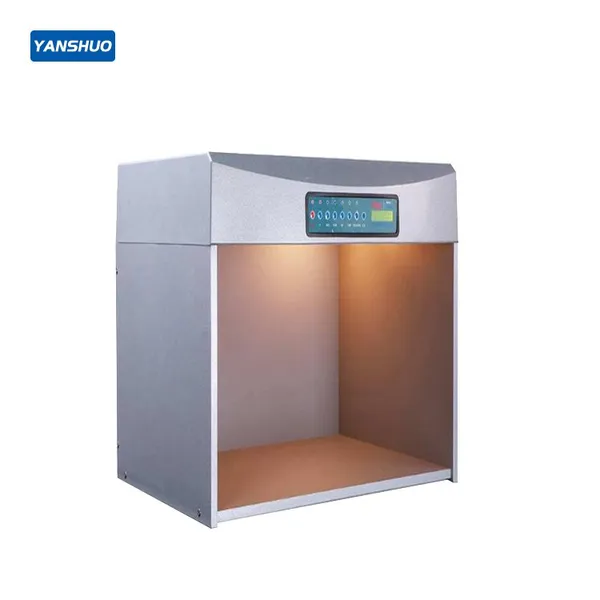
YG982C Standard Light Source Light Box (Six Sources)US$ 800.00 - 1600.00MOQ: 1 Unit
-
YG982B Standard Light Source Light Box (Five Sources)US$ 500.00 - 1000.00MOQ: 1 Unit
-
YS-503 Comprehensive UV Pre-Treatment Chamber (for Safety Helmets & Safety Nets)US$ 5200.00 - 10400.00MOQ: 1 Unit
-
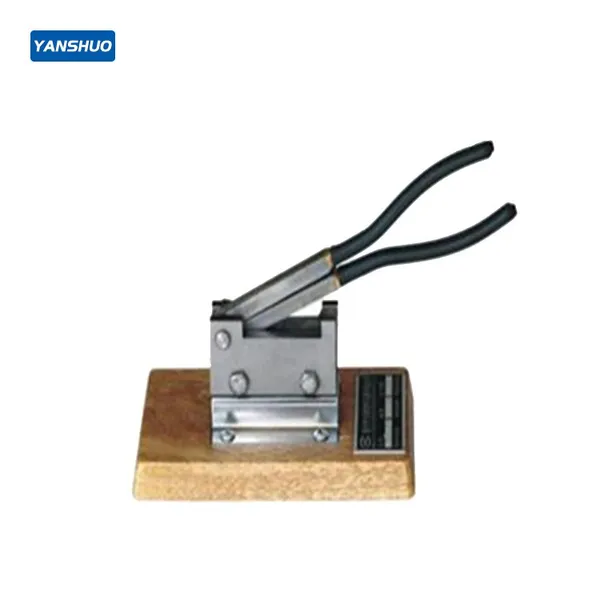
Y171 Fiber CutterUS$ 190.00 - 360.00MOQ: 1 Unit
-
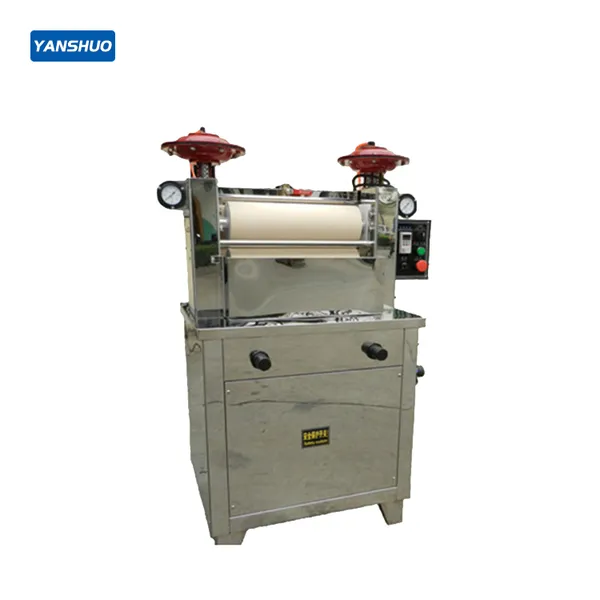
YS-AO/BO Vertical and Horizontal Pneumatic Electric Small Rolling MillUS$ 2100.00 - 4200.00MOQ: 1 Unit
-
YS-20-E Intelligent Pore Size TesterNegotiableMOQ: 1 Unit
-
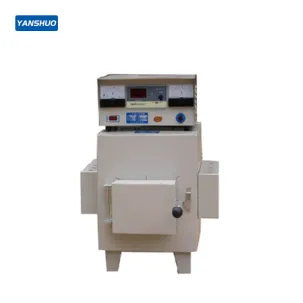
YS-000 Muffle FurnaceUS$ 680.00 - 1360.00MOQ: 1 Unit
-
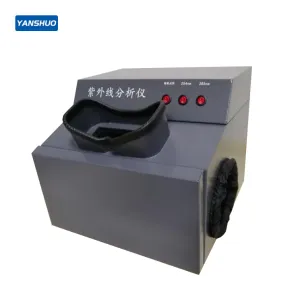
YS-212A Dark Box Ultraviolet AnalyzerUS$ 280.00 - 560.00MOQ: 1 Unit
-
YG201E Textile Formaldehyde Content TesterUS$ 2200.00 - 4400.00MOQ: 1 Unit
-
YS020S Geotextile Vertical Water Permeability TesterNegotiableMOQ: 1 Unit