 Business License

How can you ensure that the colors of the fabrics you dye won't fade due to external factors?
Select high-quality dyes.
The colorfastness of fabrics is closely tied to dye quality. While natural dyes (like plant-based ones) are eco-friendly, they generally lack the lightfastness and wash durability of synthetic dyes. For lasting colors, choose fabric-specific high-fidelity synthetic dyes such as reactive, acid, or direct dyes, ensuring compatibility with fabric materials.
2. Perform the fixation treatment.
Different dyes require specific methods: Salt Fixation: Works for some natural and direct dyes. Soak in saltwater after dyeing to reinforce color. Vinegar Fixation: Effective for acid dyes, especially protein fibers like wool and silk. Vinegar helps better adhere dyes. Steam/Heat Fixation: Required for reactive dyes to ensure molecular bonding with fibers.
3. Test light resistance and wash resistance
It is recommended to conduct a small sample test before the formal use of dyed fabrics:
Light resistance test: put the dyed cloth sample in the sun for several days and observe the color change.
Resistance test: gently scrub with warm or cold water (according to the dye requirements) and a small amount of neutral detergent to see if the color is lost.
Friction test: Gently rub the dyed part with a white cloth to check for color transfer.
4. Pay attention to daily maintenance
Even if the dyeing process is good, improper washing and storage will still lead to fading. Suggestions:
Cold hand washing: Avoid high-temperature water to minimize dye loss.
Use neutral detergent: Strong alkaline or bleach-containing cleaners accelerate fading. Avoid prolonged sun exposure: UV rays are the primary cause of color fading – always dry in cool, well-ventilated areas.
Store separately: Keep dark and light fabrics apart to prevent color transfer or rubbing-induced fading.
5. Consider using fabric fixatives:
Specialized fabric fixatives available on the market can help lock in color molecules after dyeing or before washing, extending the garment's lasting vibrancy. To determine if dyed fabrics will fade, focus on dye selection, fixation techniques, and post-care. Through scientific testing and proper maintenance methods, your hand-dyed fabrics can stay vibrant and fresh for years!
Recently Posted
-
Why do disposable diapers need to be tested with professional testing instruments?
August 23, 2025I. Limitations of subjective assessment1.1 Uncontrollable factors in manual testingTraditional manual testing methods have many limitations:Inconsistent testing conditions: The temperature, volume, and pouring speed of the liquid are difficult to standardize in each test.Subjective result judgment: Different personnel have different judgment criteria.Difficult to quantify data: It is impossible to provide precise numerical evRead More -
Domestic vs. Imported Electronic Tensile Testing Machines: Performance Comparison and Cost-Effective
August 22, 20251. Brand Comparison: Technological Heritage and Market LandscapeImported Brands: Examples include Instron, MTS, and Zwick/Roell, which have long dominated the high-end market with a rich history and deep technological heritage. Their products are known for high precision and stability, particularly excelling in fields such as aerospace and cutting-edge scientific research. However, prices are generally high, often two times oRead More -
From Beginner to Expert: Daily Calibration and Error Compensation Techniques for Electronic Universa
August 21, 2025I. Why is Calibration So Important? The Chain Reaction of Errors:A 0.5% force value error can lead to a >20% deviation in fatigue life prediction (ASTM E739 data).Case Study: A spring factory failed to calibrate promptly, resulting in a batch of products exceeding stiffness standards and incurring losses of ¥800,000.Mandatory Standards:ISO 7500-1 stipulates: Class 1 equipment requiresRead More -
Electronic Tensile Tester Selection Guide: 5 Easily Overlooked Key Parameters
August 20, 2025I. Range Selection: Bigger Isn't Always BetterGolden Ratio Principle:Routine test forces should fall within 10%-90% of the range (ASTM E4 requirement)Case: A testing lab purchased a 100kN machine for 5N wire tests, resulting in ±8% error (3x over-limit)Multi-Range Solutions:Test TypeRecommended RangeAccuracy RangeTextile fibers0.5-500N±0.5%Automotive wires1-10kN±0.8%Metal materials10-300kN±1.0%Smart Sensor Tech:Zwick RoelRead More

Contact Us
Recommended Products
-
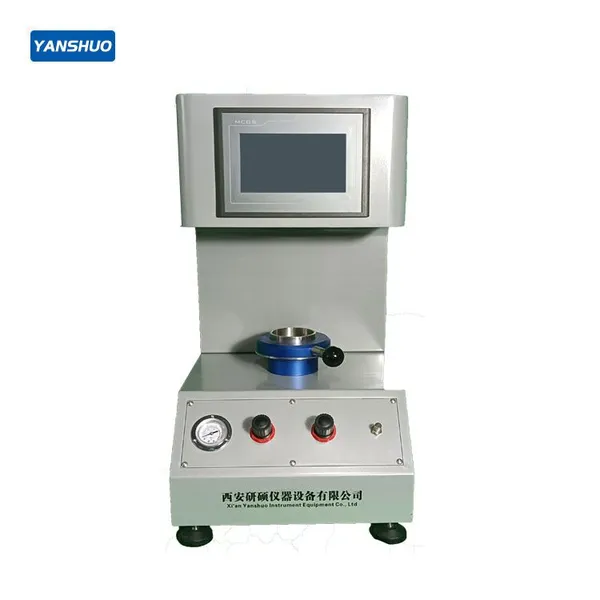
 YS080B Geomembrane Hydrostatic Pressure Tester (Hydraulic)US$ 6500.00 - 13000.00MOQ: 1 Unit
 -
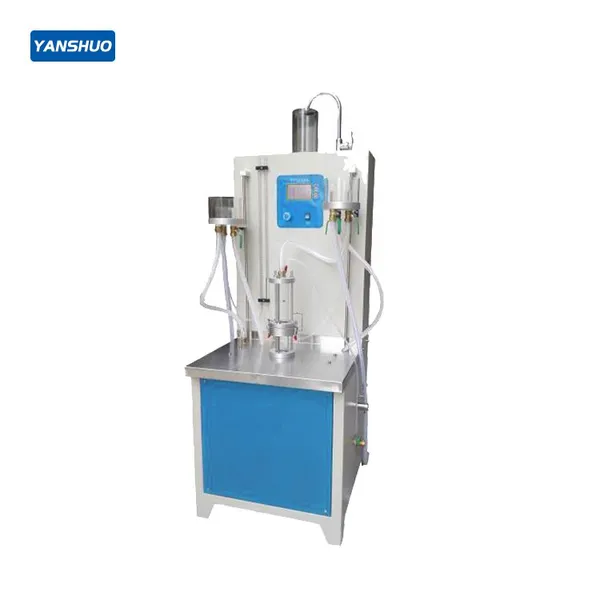
YS020C Geotextile Vertical Permeability TesterNegotiableMOQ: 1 Unit
-
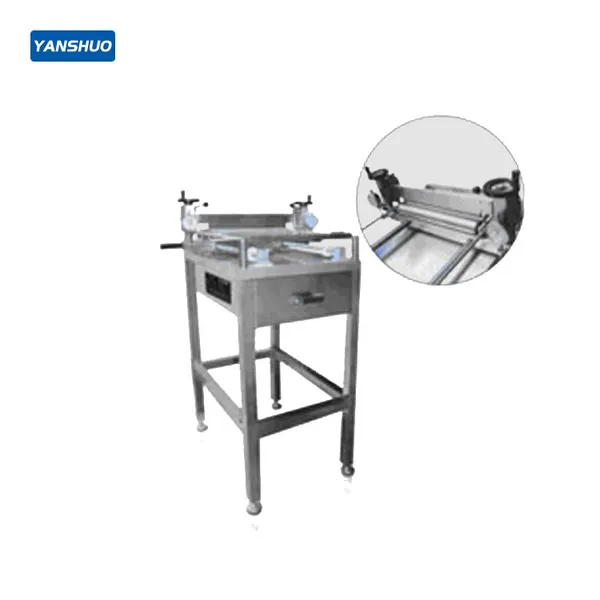
YS-300TC Coating Finishing Sample MachineNegotiableMOQ: 1 Unit
-
YG021Electronic Strength Tester for Synthetic FilamentUS$ 5400.00 - 10800.00MOQ: 1 Unit
-
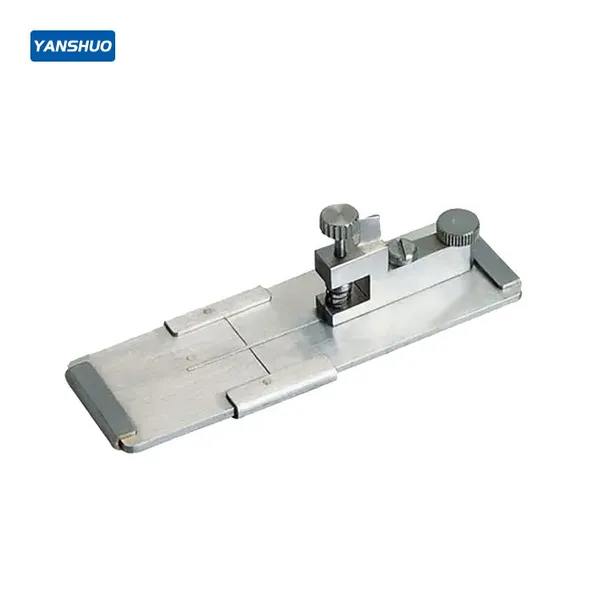
Y172 Fiber Microtome (Hertel Type)US$ 180.00 - 400.00MOQ: 1 Unit
-
YG020 Electronic Single Yarn Strength TesterUS$ 450.00 - 900.00MOQ: 1 Unit
-
YG171 Yarn Hairiness TesterUS$ 13000.00 - 36000.00MOQ: 1 Unit
-
YS-609A Yarn Abrasion Resistance TesterUS$ 12000.00 - 24000.00MOQ: 1 Unit
-
YG871Water Absorption Tester (Klemm Test Instrument)US$ 800.00 - 1600.00MOQ: 1 Unit
-
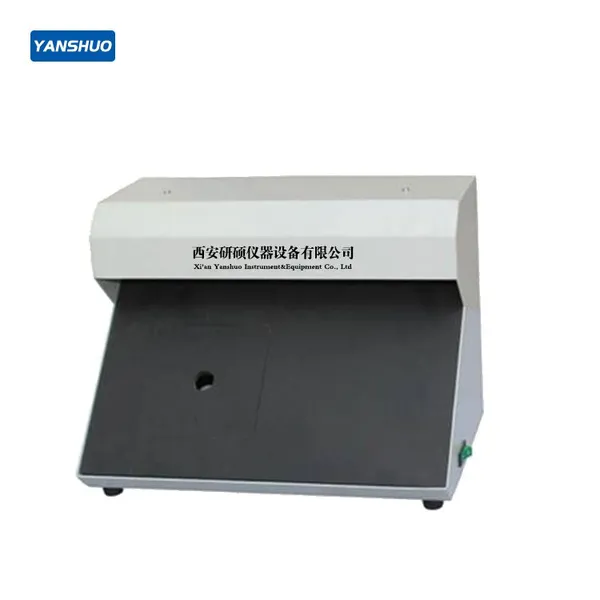
YG982D Fabric Pilling Rating BoxUS$ 3300.00 - 6600.00MOQ: 1 Unit
-
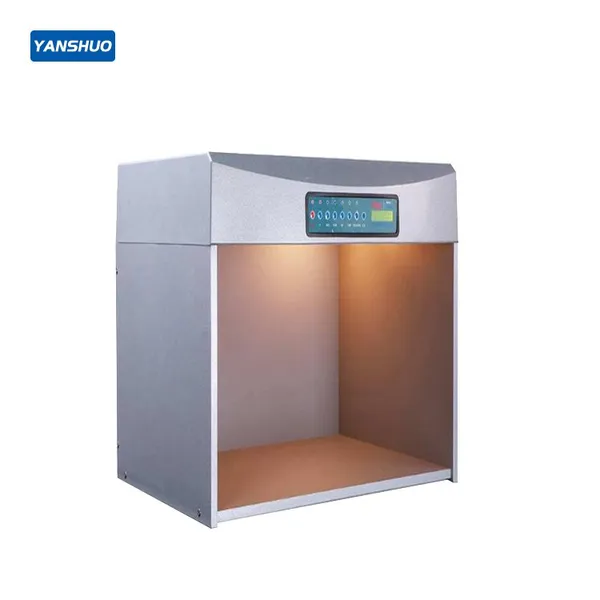
YG982C Standard Light Source Light Box (Six Sources)US$ 800.00 - 1600.00MOQ: 1 Unit
-
YG982B Standard Light Source Light Box (Five Sources)US$ 500.00 - 1000.00MOQ: 1 Unit
-
YS-503 Comprehensive UV Pre-Treatment Chamber (for Safety Helmets & Safety Nets)US$ 5200.00 - 10400.00MOQ: 1 Unit
-
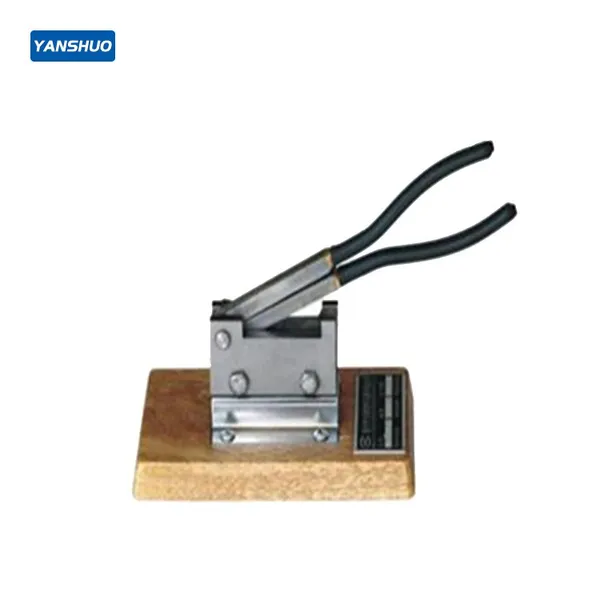
Y171 Fiber CutterUS$ 190.00 - 360.00MOQ: 1 Unit
-
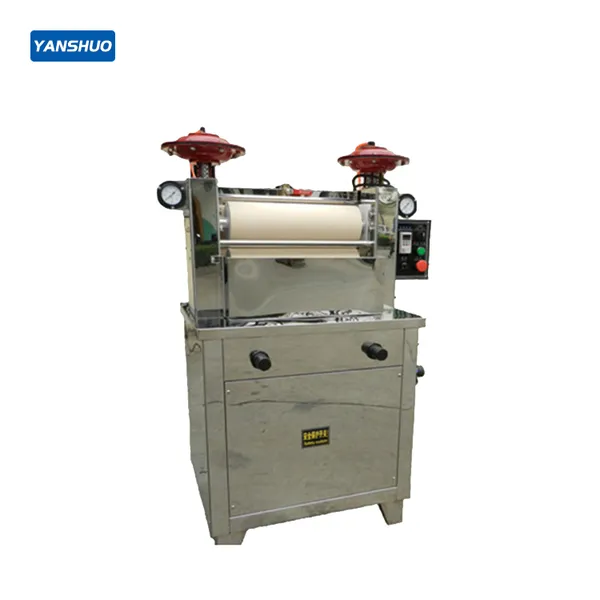
YS-AO/BO Vertical and Horizontal Pneumatic Electric Small Rolling MillUS$ 2100.00 - 4200.00MOQ: 1 Unit

-
YS-20-E Intelligent Pore Size TesterNegotiableMOQ: 1 Unit
-
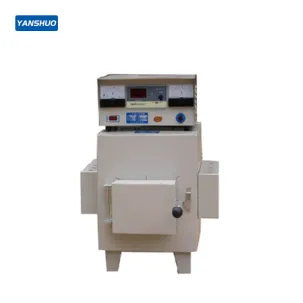
YS-000 Muffle FurnaceUS$ 680.00 - 1360.00MOQ: 1 Unit
-
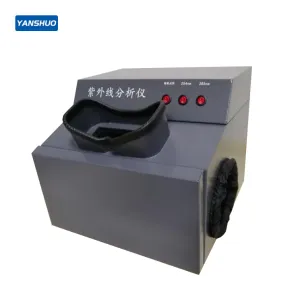
YS-212A Dark Box Ultraviolet AnalyzerUS$ 280.00 - 560.00MOQ: 1 Unit
-
YG201E Textile Formaldehyde Content TesterUS$ 2200.00 - 4400.00MOQ: 1 Unit
-
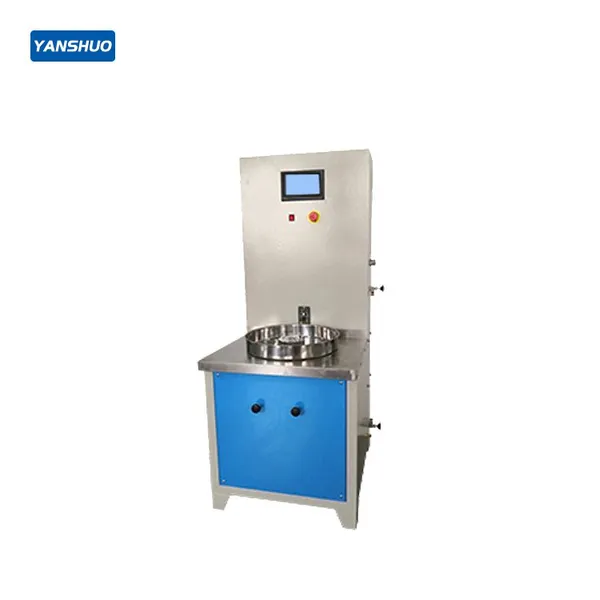
YS020S Geotextile Vertical Water Permeability TesterNegotiableMOQ: 1 Unit